The Samburu people at a glance
The Samburu are a Maa-speaking people of northern Kenya, part of the wider Nilotic group of peoples. They are related to the Maasai but have their own traditions. The reserve lies in Samburu County. Many Samburu live on land beyond the reserve, in communities and community-owned conservancies.
This page gives a short introduction. It describes traditions as part of Samburu culture, not as a picture of how every person lives today. Life in Samburu County includes herders, keepers, teachers, traders and many others. If you are planning a trip, our overview of Samburu safari tours shows how to build one, and the Reteti elephant sanctuary is a good example of local people at work in conservation.
Samburu culture
Traditions that are part of Samburu heritage, described as culture and not as a picture of every life today.
Livestock and moving herds
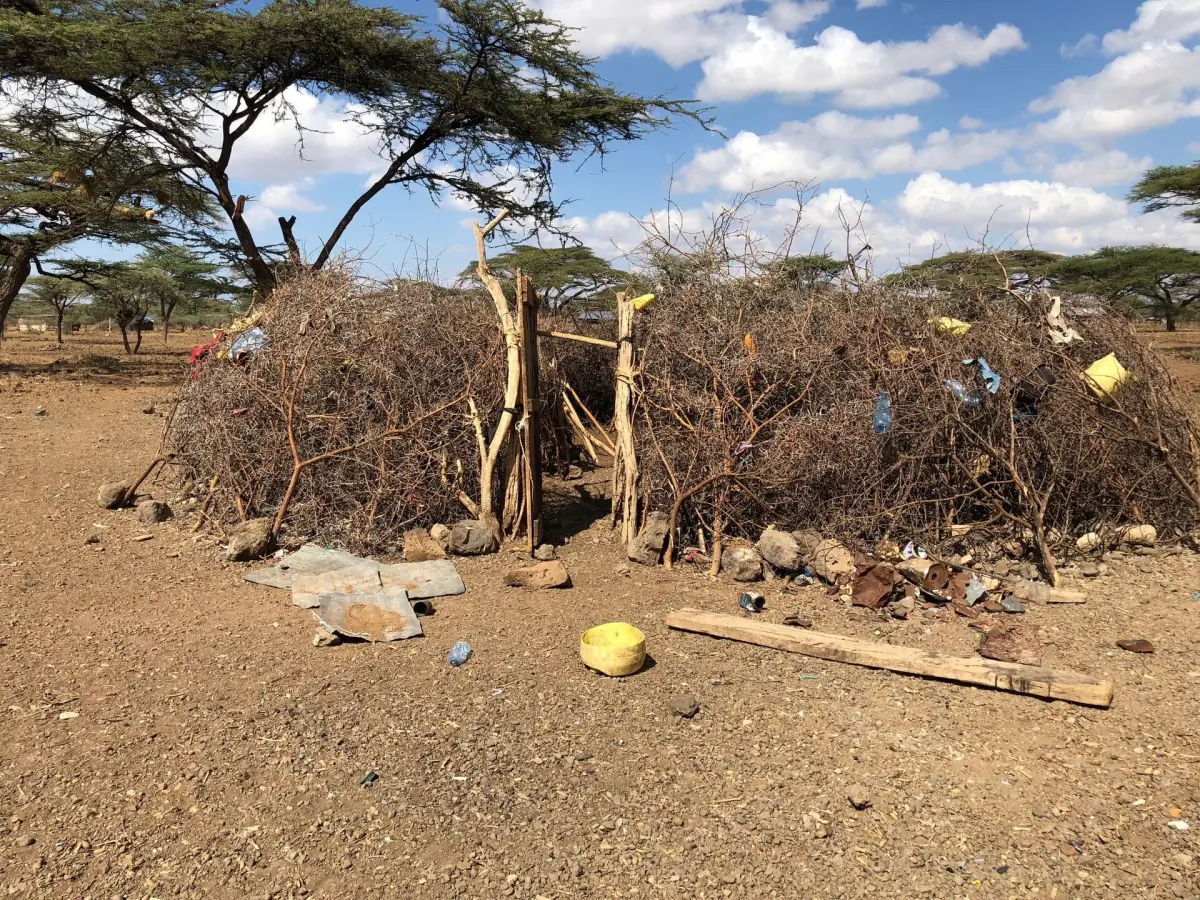
Traditionally the Samburu lived as mobile herders, with cattle, sheep and goats. That mobility shaped how land was used across the region. A boma, a thorn-bush enclosure for livestock, is part of that tradition.
Beadwork and jewellery
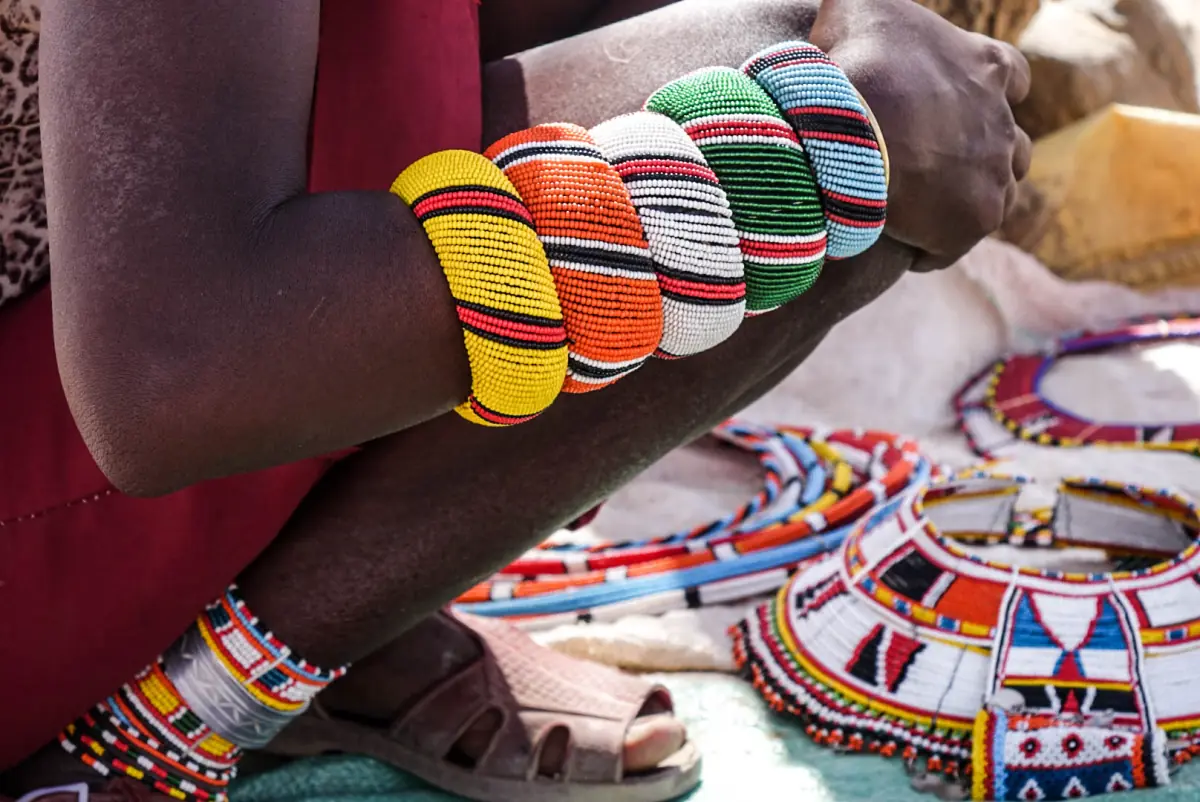
Multicoloured beadwork is a well-known Samburu craft. Necklaces, collars and bracelets are made in many colours.
Ochre
Colouring the skin with ochre is part of Samburu tradition. Treat it as culture and not as a performance for visitors.
Language and kinship with the Maasai
The Samburu speak Maa and are related to the Maasai, but the two have distinct traditions. For the Maasai side of the story near the Mara, see the Maasai village guide.
Our pick: a safari with a village visit
The village visit is part of this three-day trip, which is the only tour on our list that includes one.
Hand-picked tours, booked through GetYourGuide. Prices are indicative starting prices in US dollars (as of October 2026). Tap a tour for live availability and the current price in your currency.
Samburu safari tours and day trips
Game drives, multi-day safaris and fly-in trips to the Samburu area, with live prices and availability. Check the itinerary to see what a trip includes.
Conservation on Samburu land
Conservation around the reserve also takes place on land that Samburu communities own and manage. Conservancies such as Westgate, which borders Samburu National Reserve to the west, and Kalama, to the north, set aside land for wildlife and grazing. Westgate has settlements, a core conservation area and separate grazing blocks, and tourism contributes to local projects (as of 2021).
Reteti shows the same idea at work. The elephant sanctuary, in the Namunyak Community Conservancy, opened in August 2016. It rescues, raises and releases elephants, and local Samburu keepers care for them. If you want to see how people and wildlife share the region, it is a concrete place to start. Our guide to where to stay describes lodge areas by location, including the conservancies around the reserve.
Visiting a Samburu village
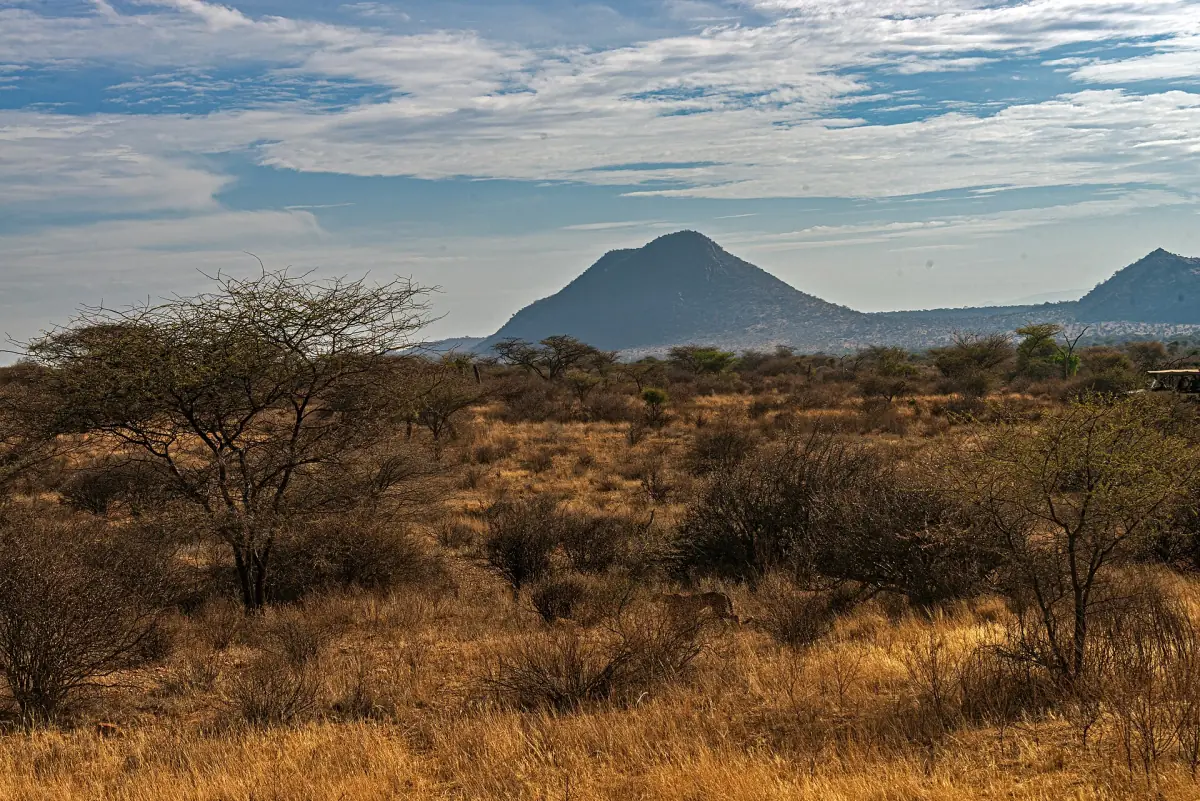
There is no standard programme and no single price for a Samburu village visit. Arrangements differ between providers, and so do the terms for photography and for who benefits financially. That is why the way you go about it matters.
- Go through a trusted route. Ask your lodge or operator who runs the visit, what it costs and where the money goes before you agree. Pay only what has been agreed.
- Ask before you photograph. Always ask people for their consent before you take a photo of them, and accept a no.
- Treat homes as private. Wait to be invited before entering a home, and do not walk through settlements unannounced.
- Be curious, not intrusive. Ask about daily life, school, work or livestock, and listen. Do not treat people as part of the scenery.
- Buy fairly. If you buy beadwork, ask who made it and agree the price before you take it.
A village visit is one way to meet people. A conservation project run with local keepers, like Reteti, is another.
Practical notes for travelling in Samburu land
Samburu village visits: a Samburu village is a place where people live, not an attraction with opening hours. The best arrangement is one made in advance, through someone the community trusts. Do not stop at a settlement to ask for a visit on the spot.
Rains: the short rains run from October to December. Flooded streams and washed-out tracks can block routes, and you should never cross a flooded river or channel. Check the weather guide for seasons.
Travel advice: check your government's current advice for Samburu and Isiolo before you set off, and see getting there for the details. The nearest towns are covered under Isiolo and Archers Post.
Keep planning
More guides for the Samburu area.
Reteti Elephant Sanctuary
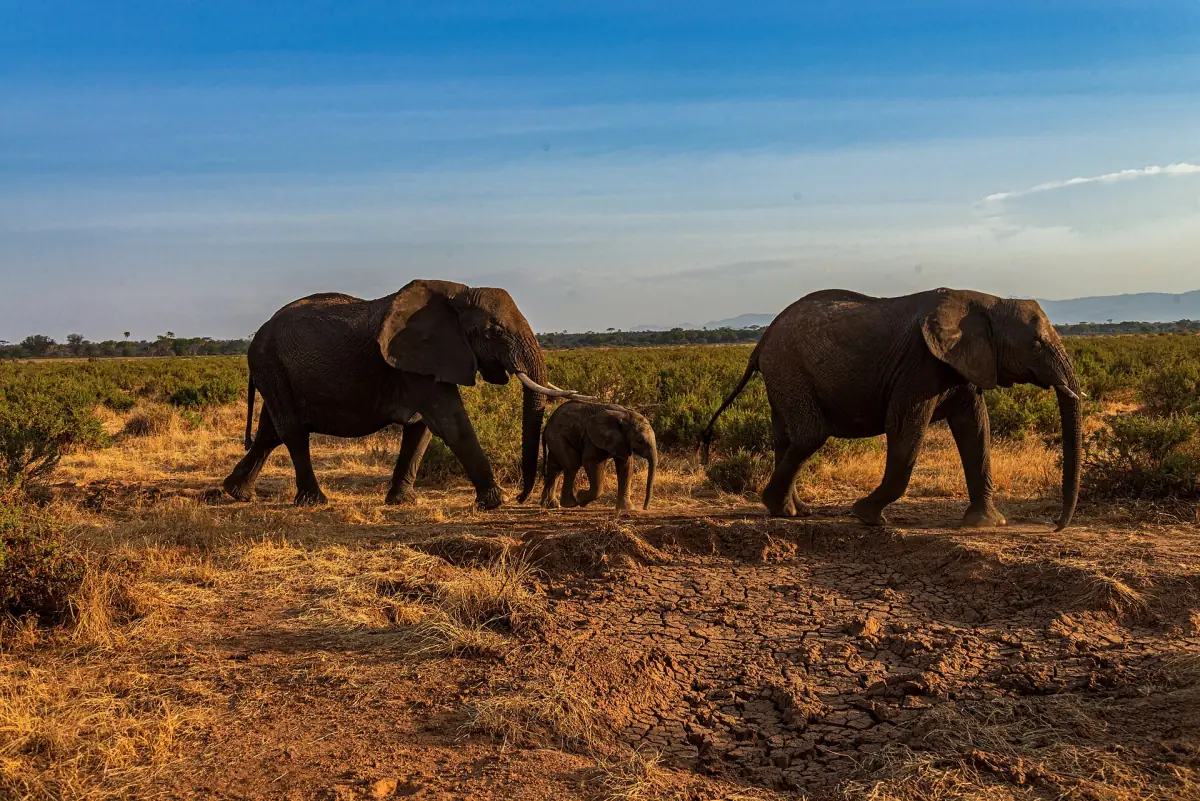
The community-run orphanage in Namunyak, with Samburu keepers.
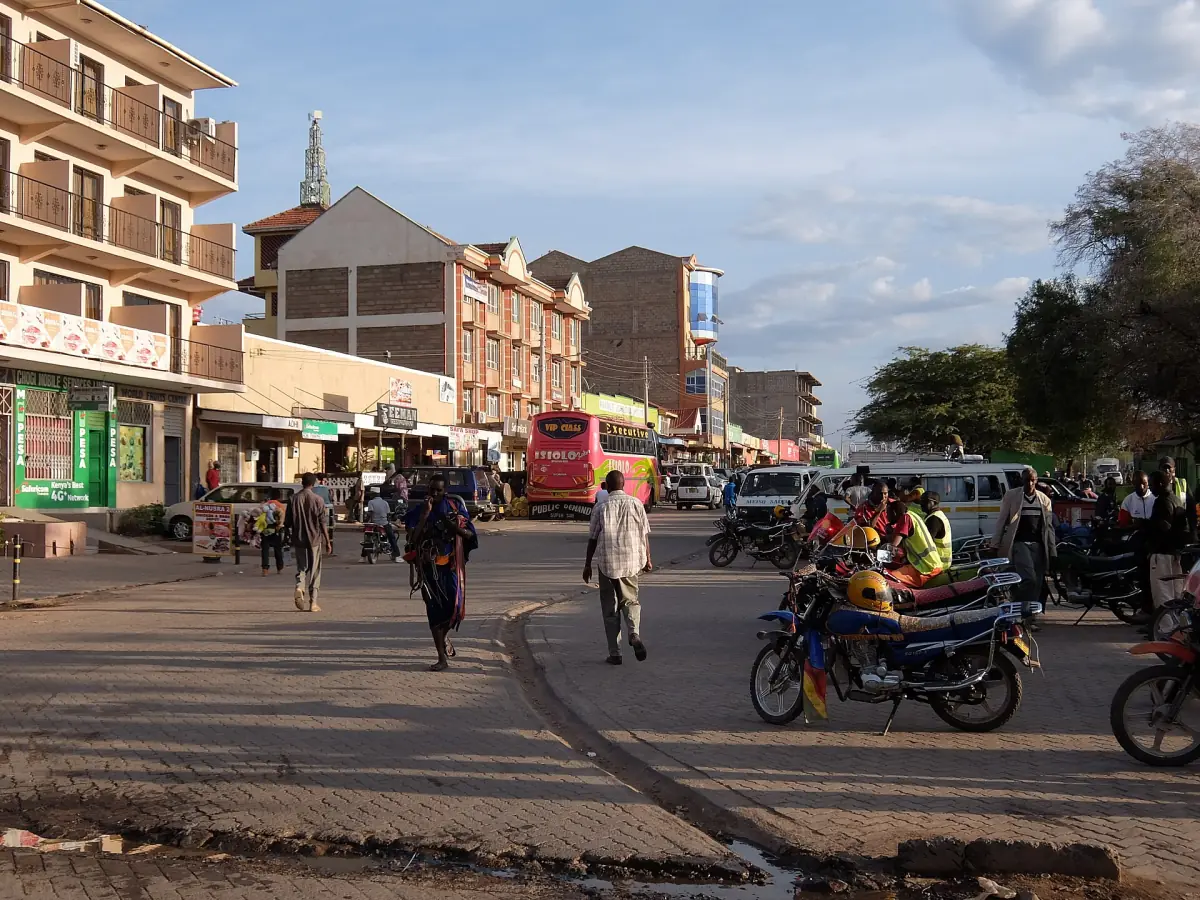
Isiolo and Archers Post
The gateway towns for the reserve.
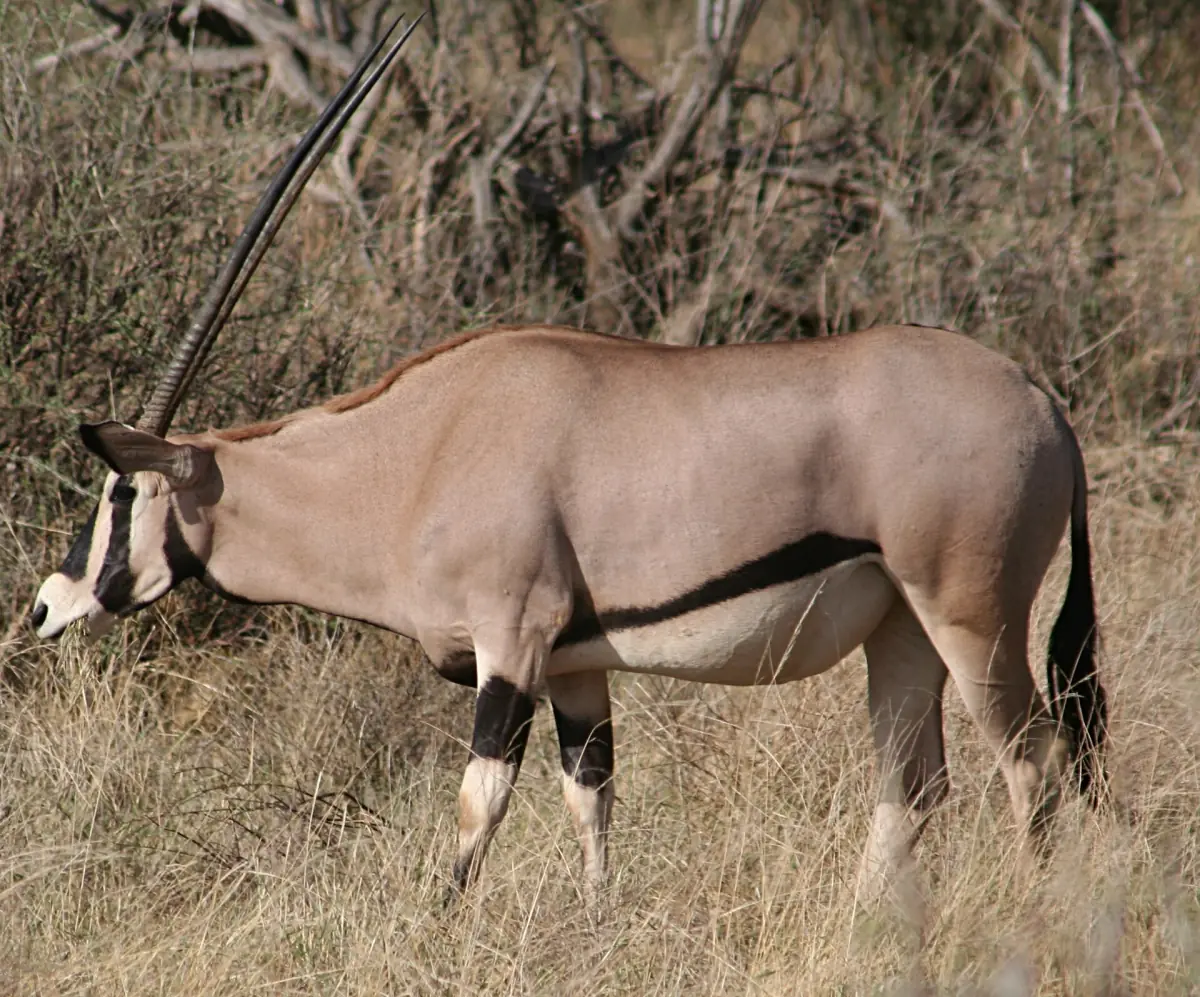
Special Five
Grevy's zebra, reticulated giraffe, gerenuk, beisa oryx and Somali ostrich.
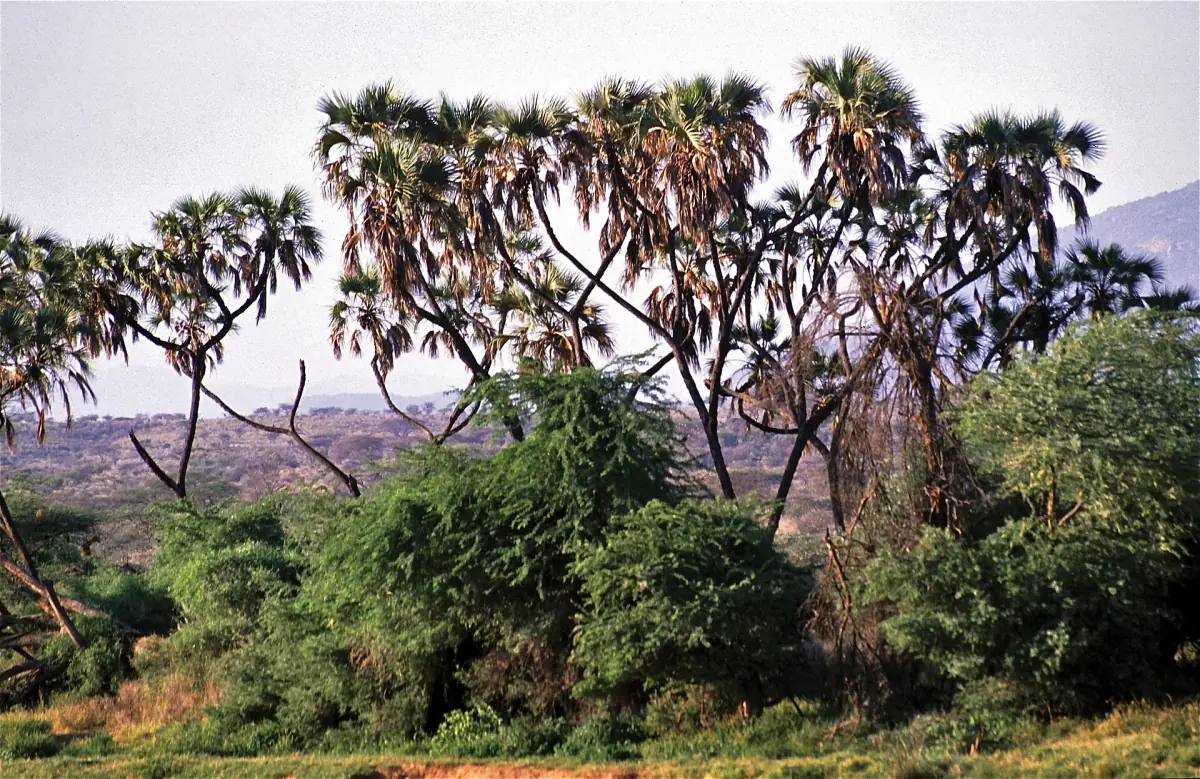
History
How the reserve came to be.
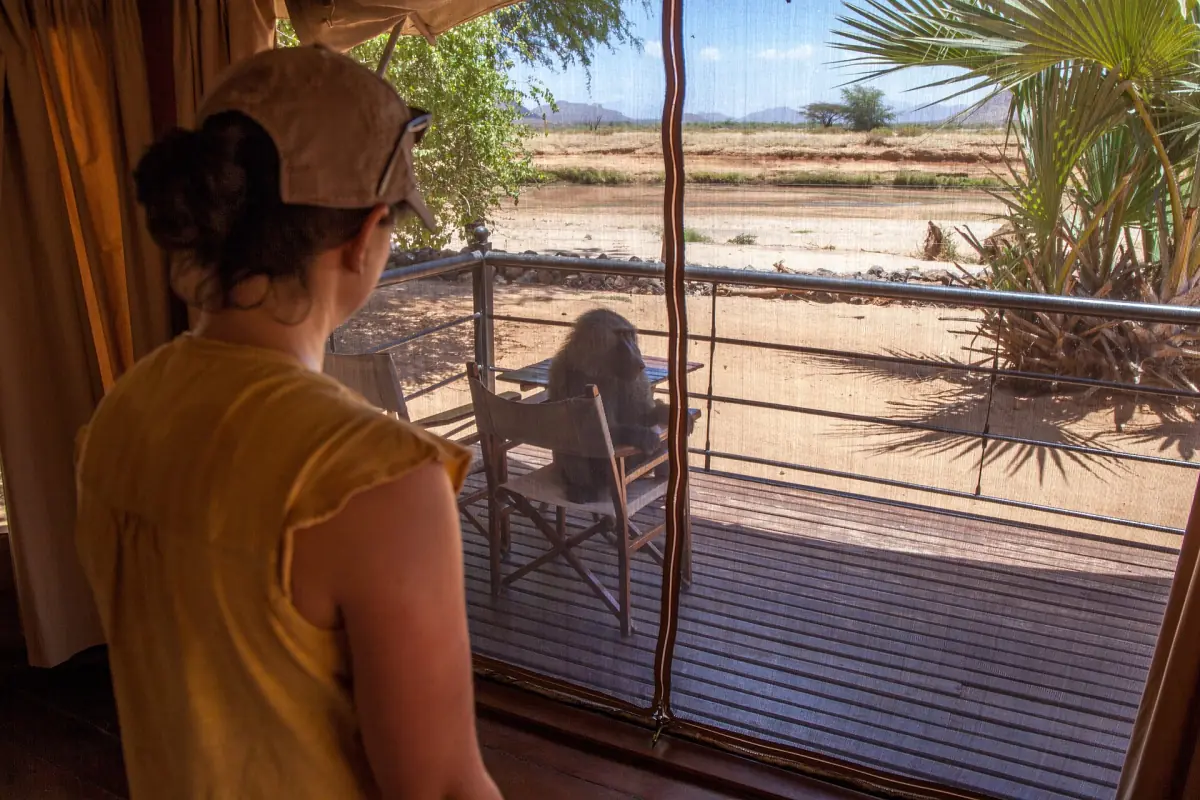
Where to stay
Lodge and camp areas by location.
Samburu people: frequently asked questions
Who are the Samburu people?
The Samburu are a Maa-speaking people of northern Kenya, part of the wider Nilotic group. They are related to the Maasai but have their own traditions. The reserve lies in Samburu County.
Can I visit a Samburu village?
Some providers arrange visits, but there is no standard programme or price. Ask your lodge or operator who runs it, what it costs and where the money goes, and agree everything in advance.
May I take photos of people?
Ask for consent every time and accept a no. Do not photograph people without asking, and wait for an invitation before entering a home.
Are the Samburu the same as the Maasai?
No. They are related and both speak Maa, but each has its own traditions.
Is this the official website of the Samburu people or the county?
No. This is an independent travel guide. It is not connected to Samburu County, Isiolo County, the Kenya Wildlife Service, Reteti, Lewa or any safari operator or lodge, and it does not speak for any community.