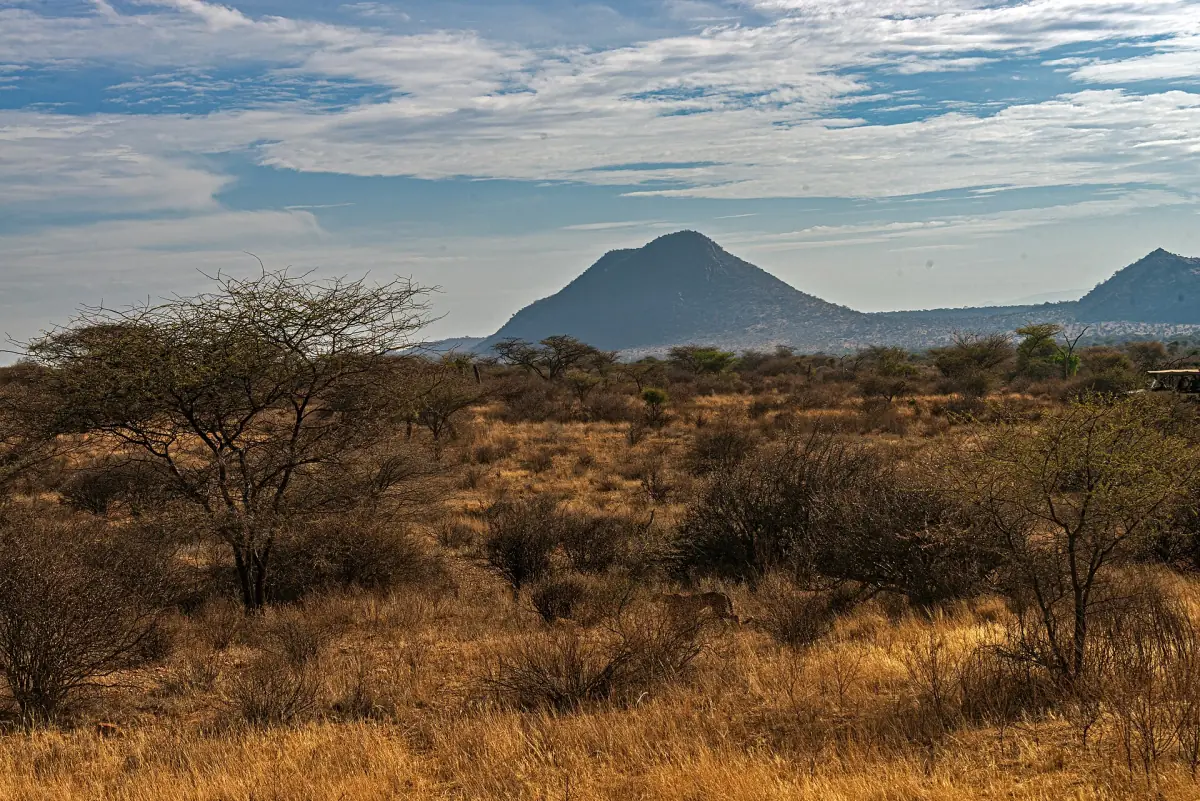
Samburu National Reserve history at a glance
Samburu National Reserve covers 165 km² on the north bank of the Ewaso Nyiro in Samburu County. It was established as a national reserve in 1985 and is run by the Samburu County Government. Its neighbours, Buffalo Springs and Shaba, are separate reserves with their own dates and their own administration.
There is also 1948, the year of a predecessor called the Samburu-Isiolo Game Reserve, which formed part of a larger Marsabit reserve. The two dates describe different things: an earlier game reserve and the national reserve that exists today. If you want to see the landscape this history describes, start with our page on Samburu safaris.
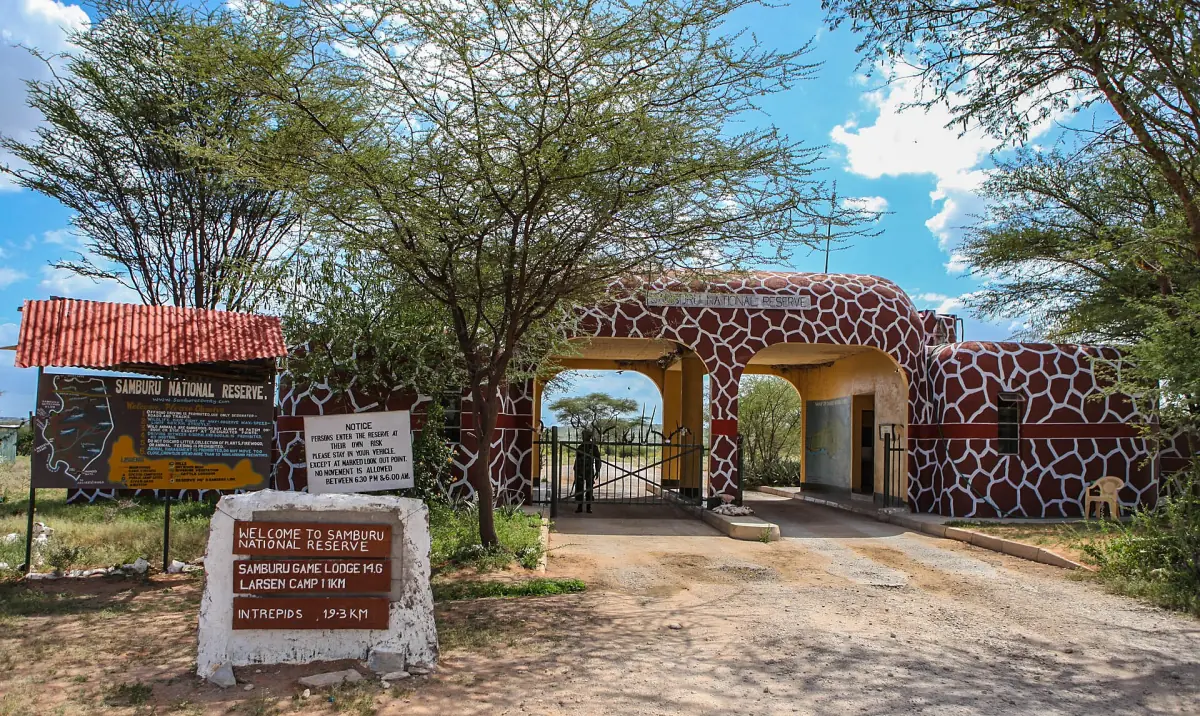
From game reserve to national reserve
The legal notices tell the story of the national reserves. Legal Notice 188 of 23 August 1985 covers Samburu, and Legal Notice 189 of the same date covers Buffalo Springs. Use 1985 as the founding year of both reserves. The 1948 game reserve is the earlier step, not the same event.
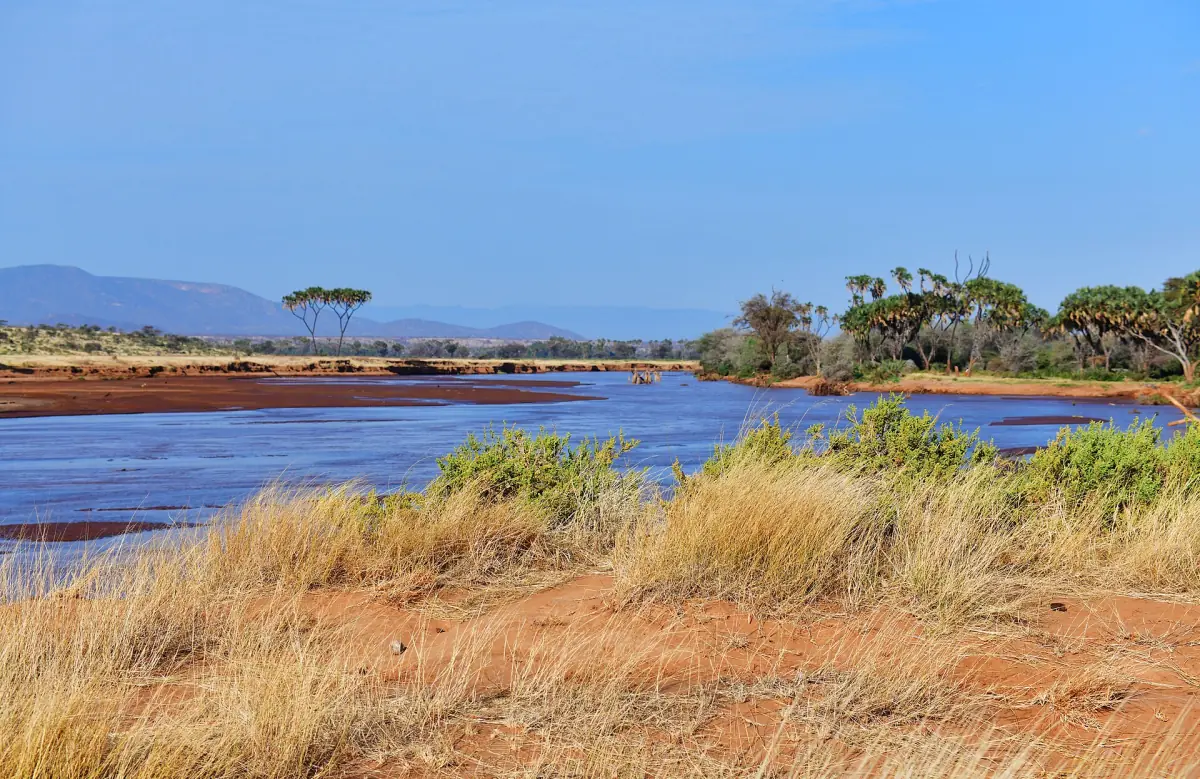
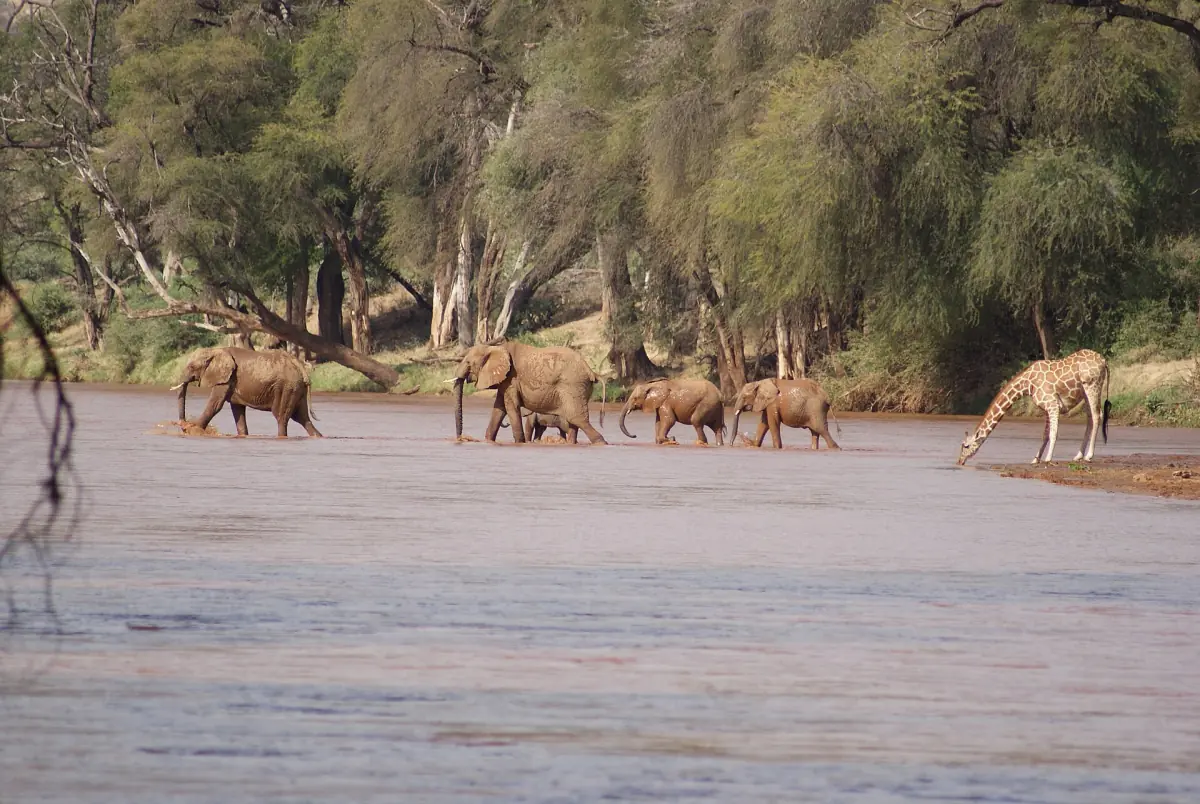
The area lies at roughly 850 to 1,250 m above sea level across Samburu and Buffalo Springs. The Ewaso Nyiro runs through it and shapes everything else: the doum palms, the riverside acacias and the wildlife that comes to drink. Our page on the Ewaso Nyiro River explains the river itself.
Samburu safaris and day trips
Game drives and fly-in safaris in Samburu, with live prices and availability.
A timeline of the Samburu area
Founding dates and conservation milestones, kept separate on purpose.
1948: Samburu-Isiolo Game Reserve
A predecessor reserve dates from 1948, inside what was then a larger Marsabit reserve. This is the origin story, not the founding of today's Samburu National Reserve.
1974: Shaba
Shaba National Reserve dates from 1974. It covers 239 km² in Isiolo County, with rock formations and the Ewaso Nyiro. Read more on the Shaba page.
1985: Samburu and Buffalo Springs
Both were established as national reserves by legal notices dated 23 August 1985. Buffalo Springs covers 131 km² in Isiolo County, on the opposite bank. See Buffalo Springs.
1997: elephant research
A research centre for elephants has worked in the area since 1997. Over the decades it has recorded more than 900 individually known elephants that use the reserves along the river. That is a record of animals over time, not a count of how many live in Samburu today.
2003: lion research
Lion research in the area began in 2003. The team now monitors about 50 lions, cubs included, across the wider Samburu and Isiolo area and parts of Laikipia. More packs have formed since 2022, and the team suspects drought as one cause.
2013: a UNESCO extension nearby
The Mount Kenya World Heritage site was extended in 2013 to include Lewa and Ngare Ndare. Lewa is not part of Samburu, but the decision ties the conservancy to a wider protected landscape. See Lewa.
2016: Reteti opens
The Reteti Elephant Sanctuary opened in August 2016 in Namunyak Community Conservancy. Local Samburu staff care for orphaned elephants with the aim of returning them to the wild. It was not part of the reserve's founding. See Reteti.
Three reserves, three founding stories
They sit close together but have different dates and administrations.
| Reserve | Area | Established | County |
|---|---|---|---|
| Samburu National Reserve | 165 km² | 1985 | Samburu County |
| Buffalo Springs National Reserve | 131 km² | 1985 | Isiolo County |
| Shaba National Reserve | 239 km² | 1974 | Isiolo County |
For most readers, the 1985 pair of Samburu and Buffalo Springs makes the natural starting point, with Shaba as the add-on for its older story and its link to Joy Adamson.
Joy Adamson, Shaba and the Born Free story
Joy Adamson is tied to Shaba through Penny the leopard and the animal known as the Queen of Shaba, both linked to Shaba. Adamson was murdered there on 3 January 1980 by an employee.
Her famous story, Elsa the lioness, took place elsewhere. Elsa was released in Meru National Park, not in Shaba or Samburu. The book Born Free appeared in 1960 and the film in 1966. Keep the two stories apart when you read about the area. Whether a memorial in Shaba is open to visitors is something to ask locally.
People, floods and drought
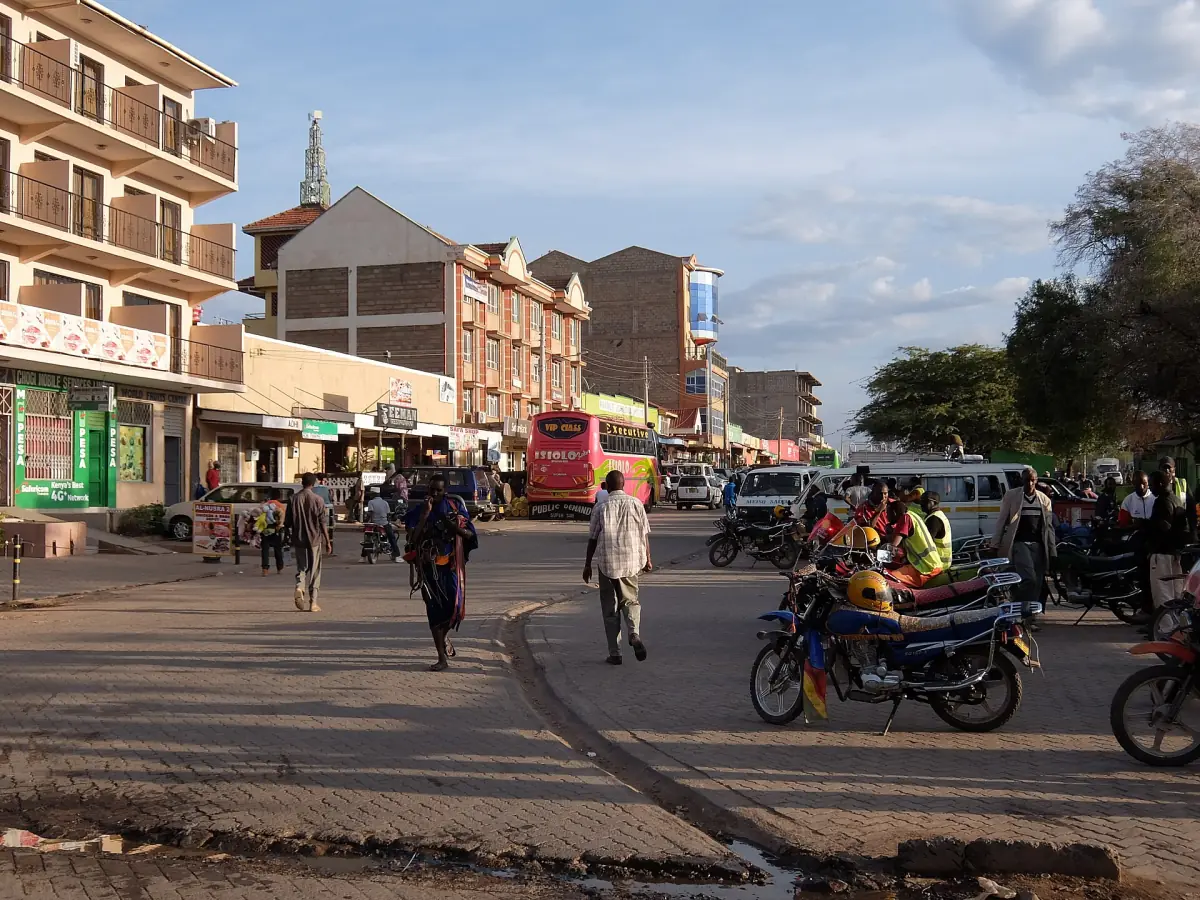
The land around the reserve is Samburu land. The Samburu speak Maa, are related to the Maasai and keep their own traditions, with a long history of herding cattle, sheep and goats. Present-day life is varied, and community conservancies such as Westgate manage community land, with tourism contributions going to local projects. Our page on the Samburu people goes further.
The river has also shaped the area's history. In March 2010 a flood destroyed a research station and a camp near the river. In July 2022 a drought brought fodder shortages, overgrazing and conflict between people and elephants as far as Archers Post. Both are past events that show how quickly the Ewaso Nyiro can swing between extremes, not statements about the river today. Check current conditions before you travel.
Samburu history: frequently asked questions
When was Samburu National Reserve founded?
It was established as a national reserve in 1985, by Legal Notice 188 of 23 August 1985. A predecessor, the Samburu-Isiolo Game Reserve, dates from 1948.
Is Buffalo Springs part of Samburu?
No. Buffalo Springs is a separate reserve of 131 km² on the south bank, in Isiolo County. It was established the same year, 1985, but has its own administration, fees and rules.
When was Shaba established?
Shaba National Reserve dates from 1974, which makes it older than Samburu and Buffalo Springs. It covers 239 km² in Isiolo County.
Was Elsa the lioness released in Samburu?
No. Elsa was released in Meru National Park. Joy Adamson is linked to Shaba through the leopard Penny and the Queen of Shaba, and she died there in 1980.
Is this the official site of the reserve?
No. This is an independent travel guide, not run by Samburu County, the Kenya Wildlife Service, Reteti or Lewa, and with no ties to safari operators or lodges.