
Lewa Conservancy at a glance
Lewa Wildlife Conservancy, usually called Lewa Conservancy or just Lewa, lies in northern Kenya. It is a conservancy run by its own operator, not a national reserve. Its name comes up often in talk about rhinos and about the Grevy's zebra, a species you can also look for in Samburu.
Lewa is not a park you drive into. Not every vehicle is admitted, and activities are arranged through your accommodation and booked ahead. That is the main difference from the Samburu, Buffalo Springs and Shaba reserves. Treat Lewa as a destination for a separate stay or a pre-arranged visit, not as a stop you can add on the day. If you are still building your trip, Samburu safari tours are the place to start.
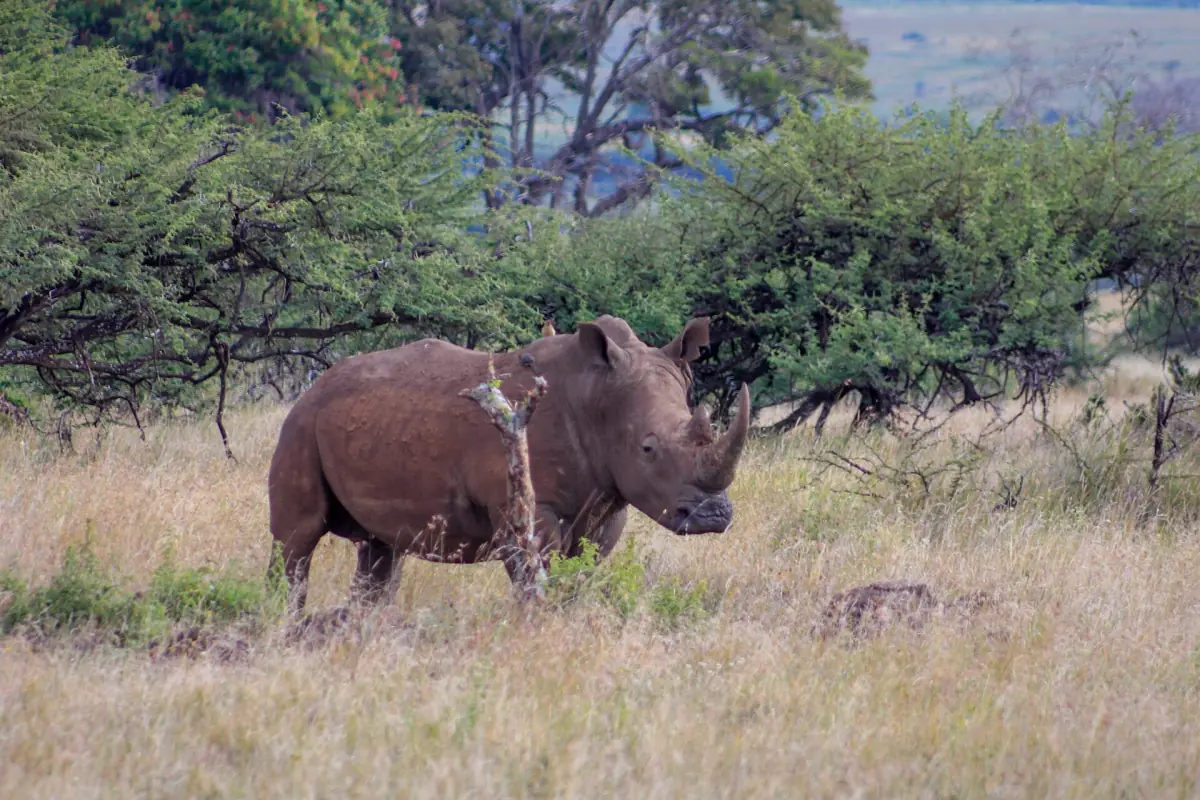
What makes Lewa different
Three things to know before you compare it with Samburu.
A conservancy, not a national reserve
Lewa is a conservancy with its own access rules and its own operator. Samburu is a national reserve run by the county. The two have different fees, different rules and different ways in.
Rhinos as a focus
More than 280 rhinos live across the whole Lewa and Borana landscape. That figure covers the landscape and not Lewa alone. Ask the conservancy for current numbers.
Conservation work on Grevy's zebra
The conservancy does protection and monitoring work for this species, which is also the one you can look for in Samburu and Buffalo Springs.
Samburu safari tours and day trips
Game drives, multi-day safaris and fly-in trips to the Samburu area, with live prices and availability. Lewa visits are arranged separately through accommodation.
Visiting Lewa: access and rules
Lewa has its own rules, and they differ from Samburu's.
- Not every vehicle is admitted. Check with your accommodation before you drive there.
- Pick-up at the gate. In some cases your accommodation collects you at the gate.
- Book conservancy activities in advance. They are arranged through your accommodation.
- Fees and guide costs. Ask your accommodation about entry, vehicle and guide costs when you book, and get the figures in writing before you travel.
Fly-in travel is one way to reach the area. A Kenyan domestic airline's northern network serves Samburu and also Nanyuki and Lewa. Check the current timetable and routing, because flights can pass through Nairobi Wilson. See Nairobi to Samburu for the Samburu side.
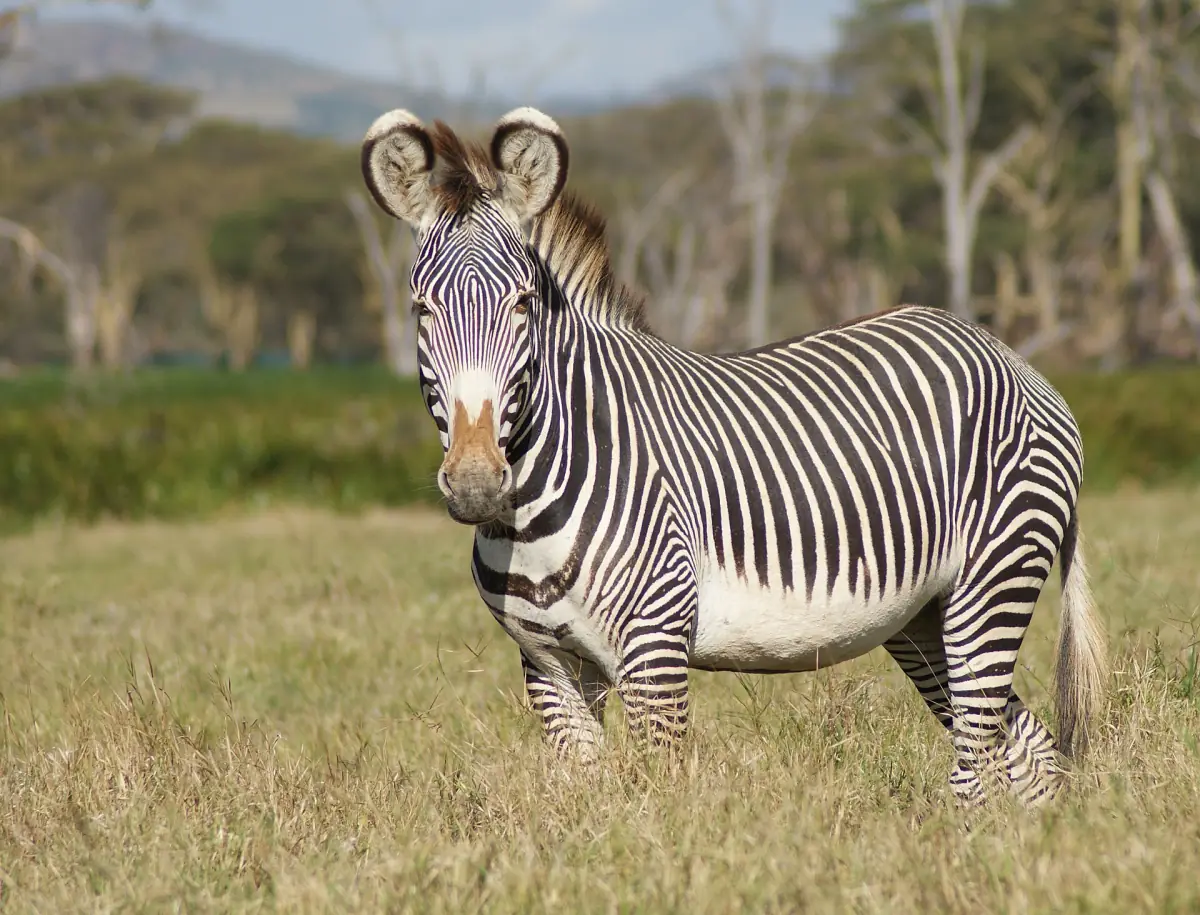
Grevy's zebra: where to look and how many there are
One species, three places you can look for it.
| Place | Type | Access |
|---|---|---|
| Samburu | National reserve, Samburu County | County entry fee |
| Buffalo Springs | National reserve, Isiolo County | Separate county entry fee |
| Lewa | Conservancy with its own operator | Through your accommodation, booked in advance |
The Grevy's zebra is listed as Endangered by the IUCN. A 2018 estimate put 2,812 of the world's 3,042 in Kenya and 230 in Ethiopia. That is a national figure from 2018, not a count of Lewa or Samburu today. The main threats are habitat loss, competition with livestock, limited access to water, infrastructure, disease and poaching. For most visitors, Samburu is the easier way to look for the species, and Lewa is a separate trip. More in our guide to the Samburu Special Five, and see wildlife in Samburu for the full picture.
Lewa and Mount Kenya: a UNESCO link
In 2013 UNESCO extended the World Heritage site Mount Kenya National Park and Natural Forest to include Lewa and Ngare Ndare. That means Lewa is part of the Mount Kenya World Heritage site, not a World Heritage site of its own. There is no "Lewa National Park".
Mount Kenya National Park and Natural Forest is the site that Lewa belongs to. Mount Kenya itself is a separate destination with its own visiting rules and is not covered in detail here. For routes, fees and treks, see the Mount Kenya guide.
Ol Pejeta: another conservancy for rhinos
Ol Pejeta is a separate conservancy that offers guided rhino monitoring. You book it directly with the operator. It is a different place with its own rules, and a trip there is a separate plan from Samburu or Lewa. Fees, rhinos and day trips are covered in the Ol Pejeta guide.
Our park fees guide covers costs in the three reserves around Samburu. If you are comparing conservancies, the Maasai Mara conservancies guide shows another model.
Travel notes
Travel advice: check your government's current advice for Samburu and Isiolo before you set off, and see getting there for the details.
Rains: the short rains run from October to December. Flooded streams and washed-out tracks can block routes, and you should never cross a flooded river or channel. See the weather guide.
Keep planning
More guides for the Samburu area.
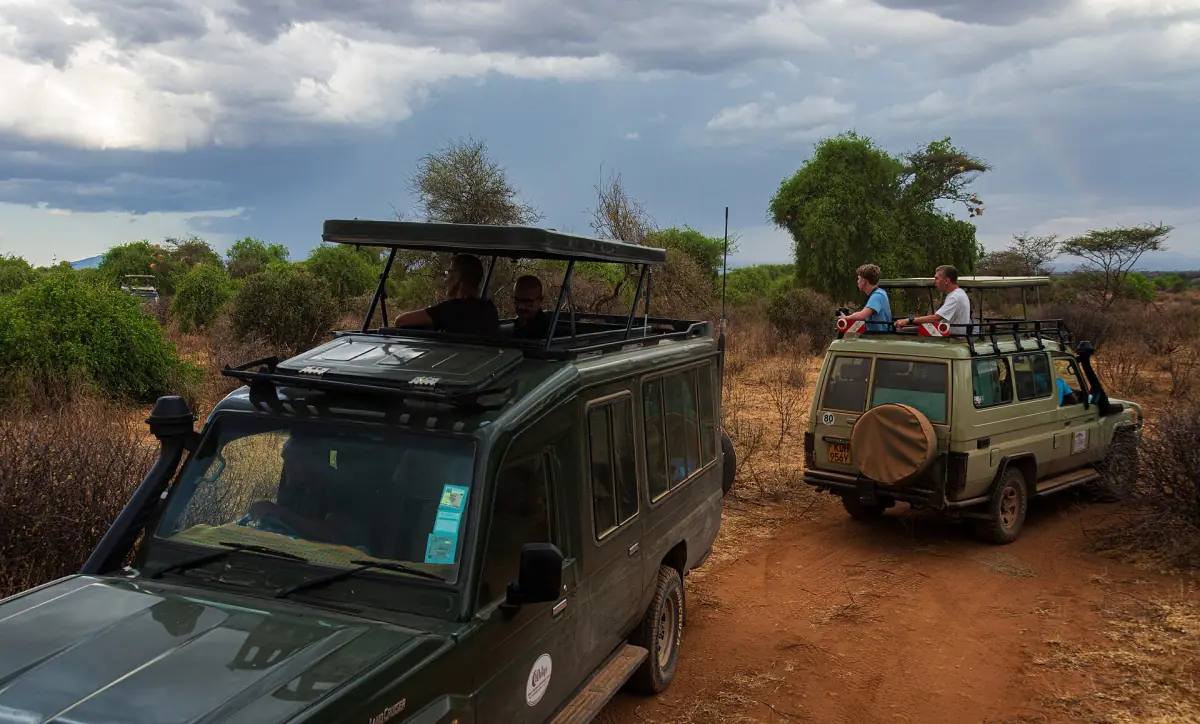
Samburu safari
Game drives, road and fly-in trips compared.
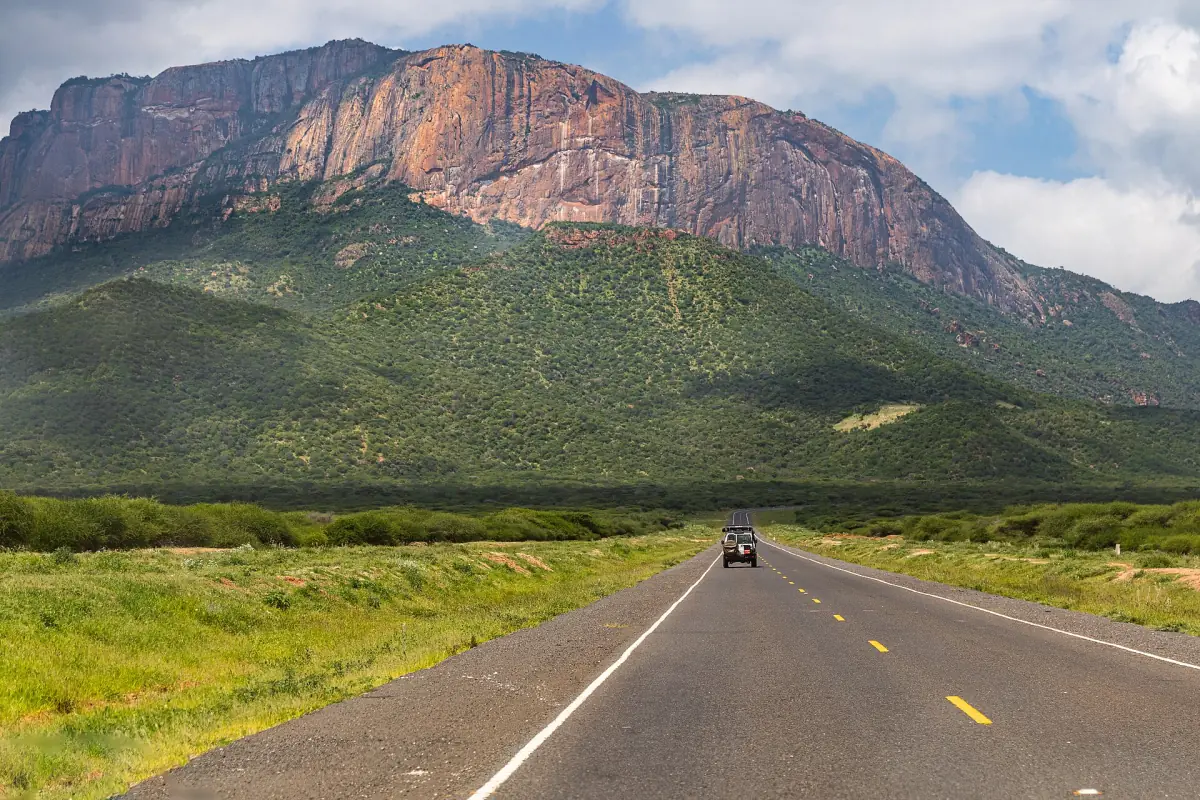
Nairobi to Samburu
Flights and the road via Isiolo.
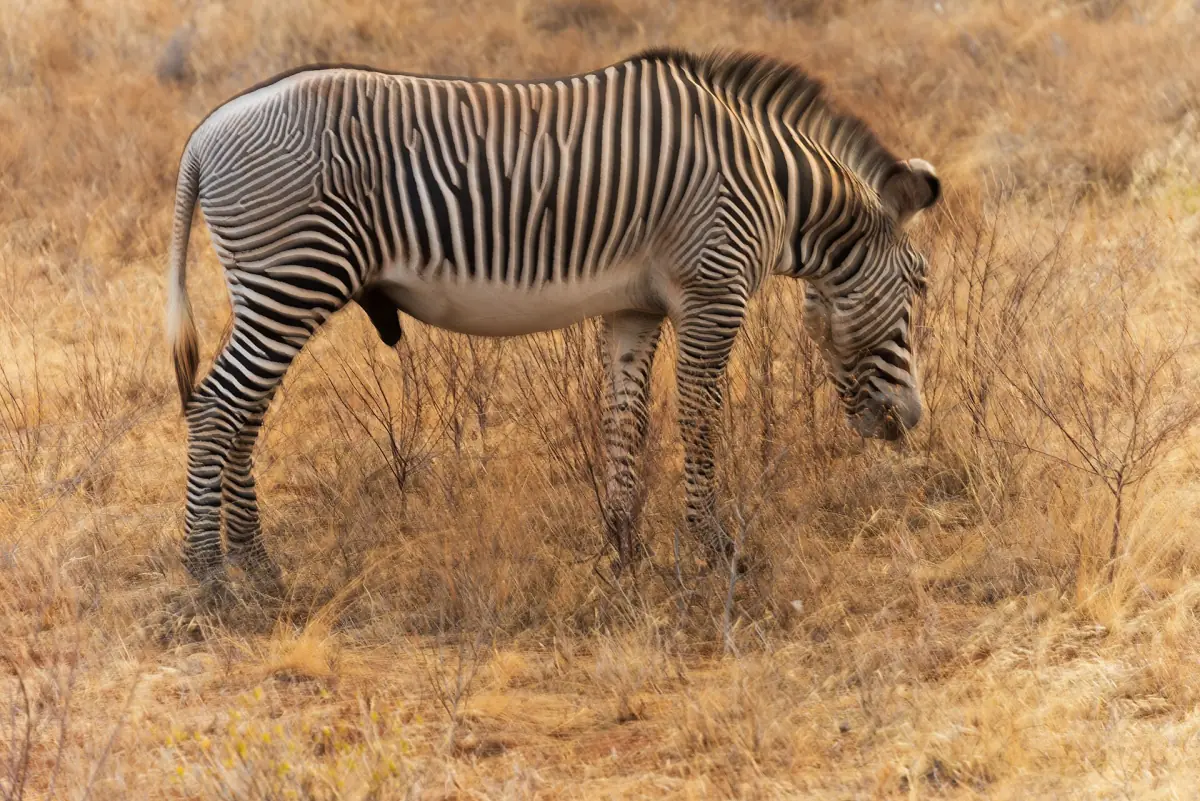
Special Five
Grevy's zebra, reticulated giraffe, gerenuk, beisa oryx and Somali ostrich.
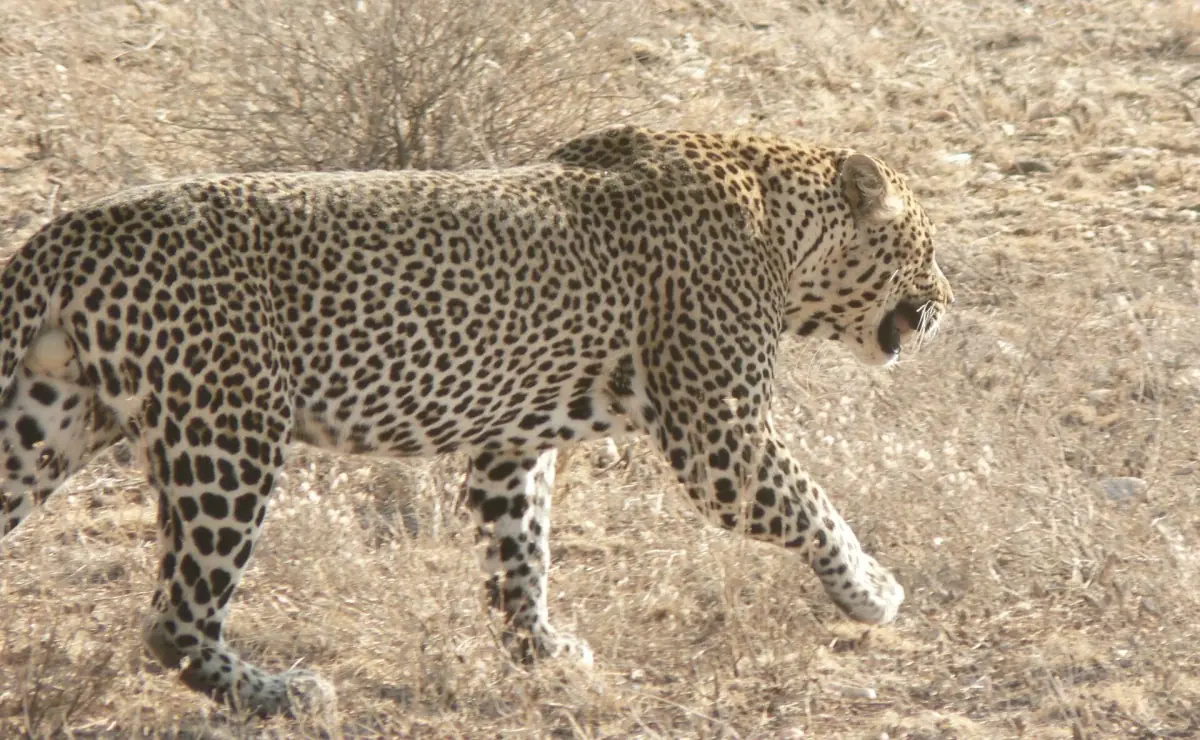
Animals in Samburu
Elephants, leopards, lions and birds.
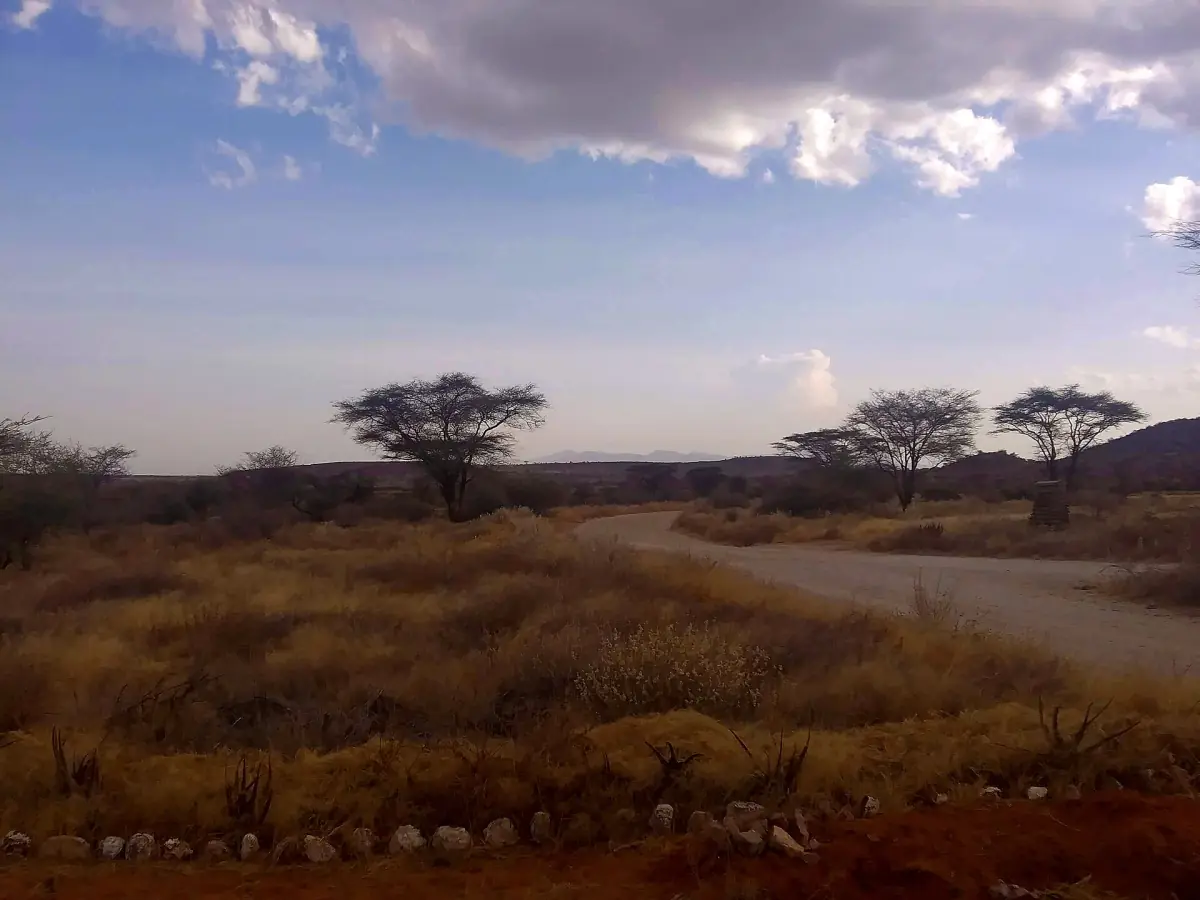
Isiolo and Archers Post
Gateway towns for the Samburu area.
Lewa Conservancy: frequently asked questions
Can I visit Lewa as a day trip from Samburu?
Do not plan it as a day trip. Lewa is not a drive-in park: not every vehicle is admitted and activities are booked ahead through your accommodation. Treat it as a separate stay or a pre-arranged visit.
Is Lewa a national park?
No. It is a conservancy run by its own operator. It belongs to the Mount Kenya World Heritage site, which UNESCO extended in 2013 to include Lewa and Ngare Ndare, but it is not a park of its own.
How many rhinos are at Lewa?
More than 280 rhinos live across the whole Lewa and Borana landscape. That is a landscape figure, not a count for Lewa alone. Ask the conservancy for the current number.
Can I see Grevy's zebra at Lewa?
The conservancy does protection and monitoring work for the species. Good chances are not a guarantee, so do not plan your trip around one sighting.
Is this the official Lewa website?
No. This is an independent travel guide. It is not connected to Lewa, Samburu County, Isiolo County, the Kenya Wildlife Service or any safari operator or lodge.