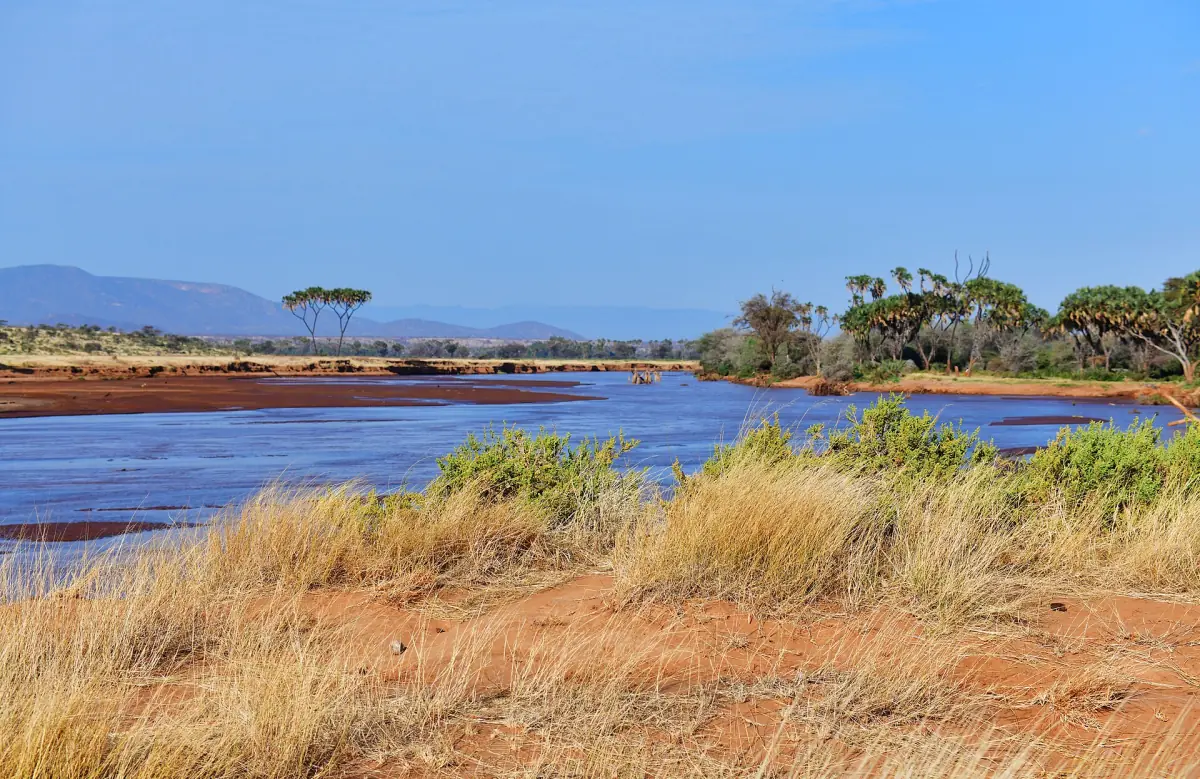
Buffalo Springs National Reserve at a glance
Buffalo Springs National Reserve covers 131 km² on the south bank of the Ewaso Nyiro in Isiolo County. Samburu National Reserve faces it from the north bank. Both were established in 1985, and many visitors see them on the same trip. The name comes from the springs: clear fresh water in pools and streams that feed a belt of riverine forest and pull wildlife in during dry spells.
Buffalo Springs is a reserve in its own right, with its own management, and not a northern extension of Samburu. Fees and rules are set for each reserve, so check the figures on this page against our guide to Samburu park fees. If you are still deciding how to see the area, our overview of Samburu safari tours compares road and fly-in trips.
Springs, forest and plains
What the landscape looks like and why it matters for wildlife.
Clear water in pools and streams
The springs are small pools and streams of fresh water. They sit in gently rolling plains of volcanic origin, a very different picture from the wide brown river nearby.
Riverine forest
Trees line the water along the river and the springs. Elephant and buffalo live in the reserve, and a green strip like this is a good place to start looking for them.
Open plains
Away from the water the ground opens up, which gives you longer views from a vehicle. Grevy's zebra also live in the reserve.
Our pick: two days in Buffalo Springs
This two-day trip runs in Buffalo Springs, with a camp on the Ewaso Nyiro, so it fits if the neighbouring reserve is your main interest.
Hand-picked tours, booked through GetYourGuide. Prices are indicative starting prices in US dollars (as of October 2026). Tap a tour for live availability and the current price in your currency.
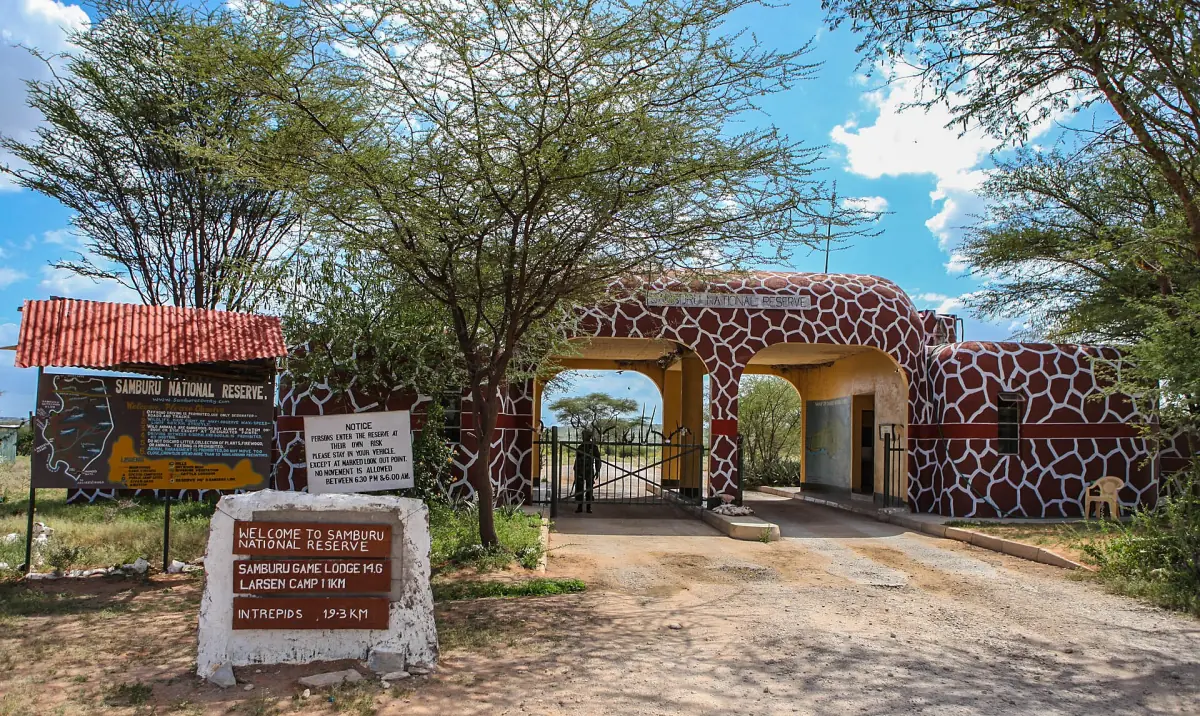
Samburu safari tours and day trips
Game drives, multi-day safaris and fly-in trips to the Samburu area, with live prices and availability. Check the itinerary to see which reserves a trip covers.
Wildlife in Buffalo Springs
Elephant, buffalo, leopard and Grevy's zebra live in the reserve. The wider Samburu area is known for the Samburu Special Five: Grevy's zebra, reticulated giraffe, gerenuk, beisa oryx and Somali ostrich. Our page on the Samburu Special Five explains each species. Sightings are never guaranteed, and early morning and late afternoon give you the best chances.
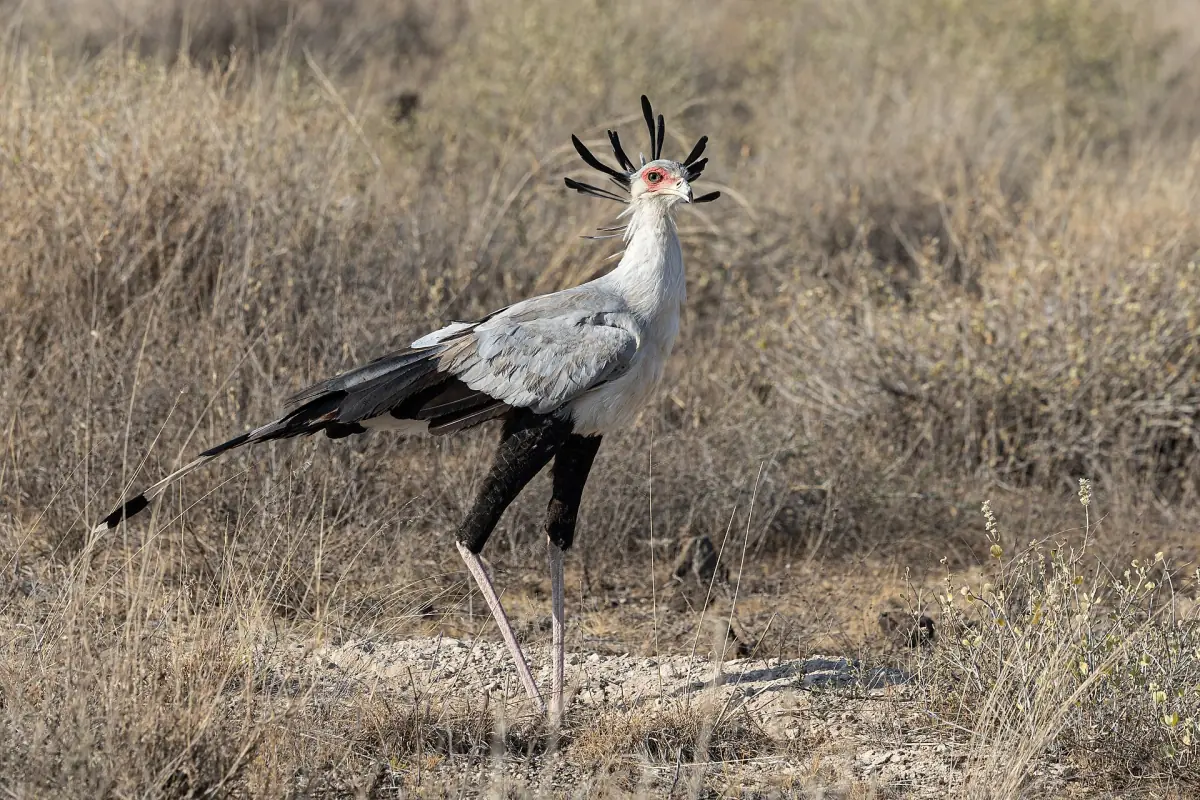
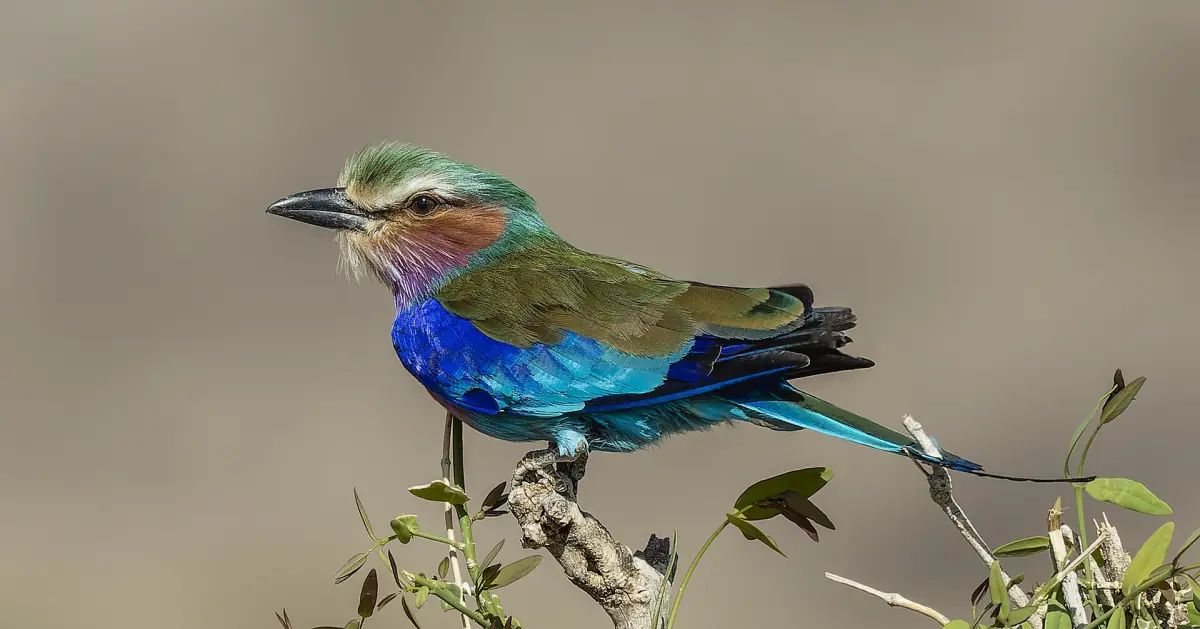
Birdlife is a strong reason to come. More than 380 bird species have been recorded for Samburu and Buffalo Springs together (2001). Secretary birds walk through the dry grass, and rollers sit on exposed branches. Elephant researchers have worked in the reserves along the river since 1997 and have identified more than 900 individual elephants over the decades. That is a long-term record, not a count of today's herds.
Buffalo Springs, Samburu and Shaba compared
Three separate reserves share the Ewaso Nyiro. Each has its own administration.
| Reserve | Size | Established | Location | County |
|---|---|---|---|---|
| Samburu | 165 km² | 1985 | North bank of the Ewaso Nyiro | Samburu |
| Buffalo Springs | 131 km² | 1985 | South bank, facing Samburu | Isiolo |
| Shaba | 239 km² | 1974 | On the Ewaso Nyiro, Isiolo side | Isiolo |
For most visitors, Samburu is the base and Buffalo Springs is the neighbouring reserve to ask about when you plan your game drives. Shaba is a separate trip to arrange through your lodge or operator. Read more on our Shaba page. If you are comparing Kenya's reserves, the wildlife guide shows what else the region offers, and the Maasai Mara safari guide covers the Mara reserve in southern Kenya.
Buffalo Springs fees in 2026
Entry fees are set by the county governments and not by the Kenya Wildlife Service. Buffalo Springs is charged separately from Samburu. For 2026, adult entry for non-residents is in the range of $70 to $85 and for children $40 to $50. Kenyan residents and citizens pay in shillings, around KES 1,600 and KES 800 for adults. Tariffs change, so confirm the amount with your lodge, the county booking platform or the gate before you travel.
Do not count on one ticket covering both reserves. Ask whether your Samburu ticket is valid here or whether you pay a second fee. Electronic payment through eCitizen is the route to expect, so keep a card, mobile money and some cash as back-up. Gate times are set by the reserve, so ask your lodge or driver for the current hours.
Swimming, getting there and travel notes
Water: do not plan a swim stop. Whether bathing at the pools is allowed can change, and the Ewaso Nyiro holds crocodiles. Ask at the gate before you get into any water.
Getting there: Isiolo is the gateway town, and Archers Post lies about 34 km north of it. Archers Post Gate near Archers Post is one of the gates for the area, so ask your lodge or driver which gate suits your route to Buffalo Springs. Nairobi to the reserve region is roughly 320 to 350 km and 6 to 7 hours by road. See Nairobi to Samburu and Isiolo and Archers Post for routes and flights.
Rains: the short rains run from October to December. Flooded streams and washed-out tracks can block routes, and you should never cross a flooded river or channel. More in our weather guide.
Travel advice: check your government's current advice for Samburu and Isiolo before you set off, and see getting there for the details.
Keep planning
More guides for the Samburu area.
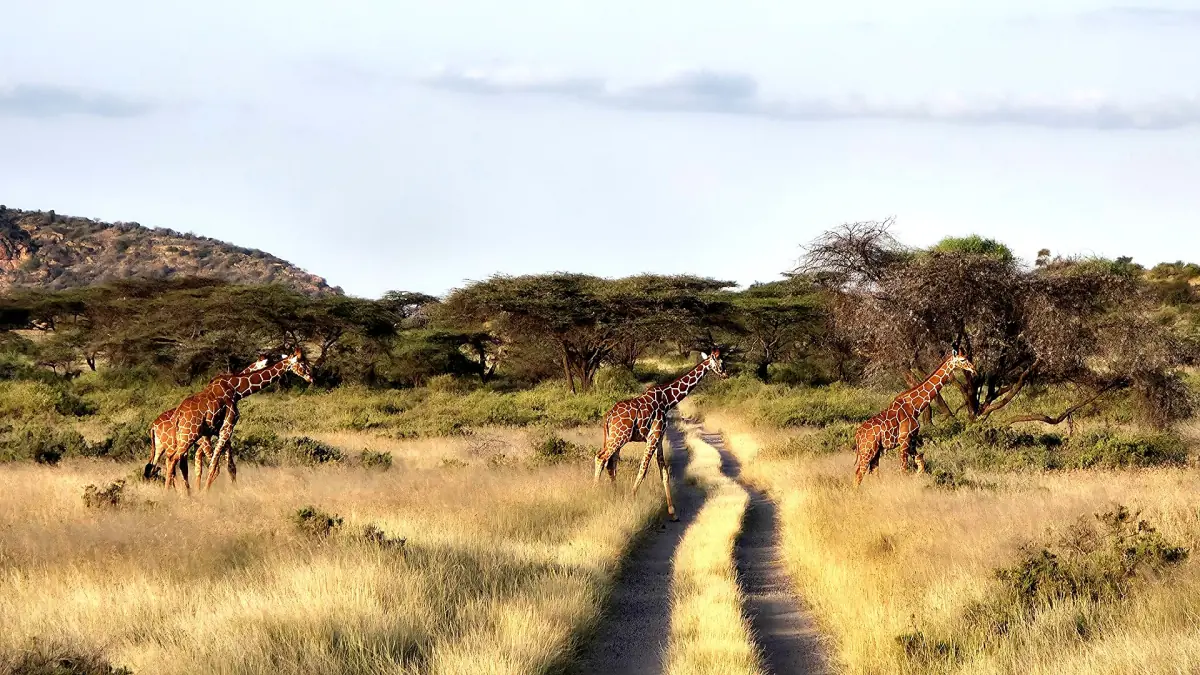
Shaba
The third reserve on the river, with its landscape and the story of Joy Adamson.
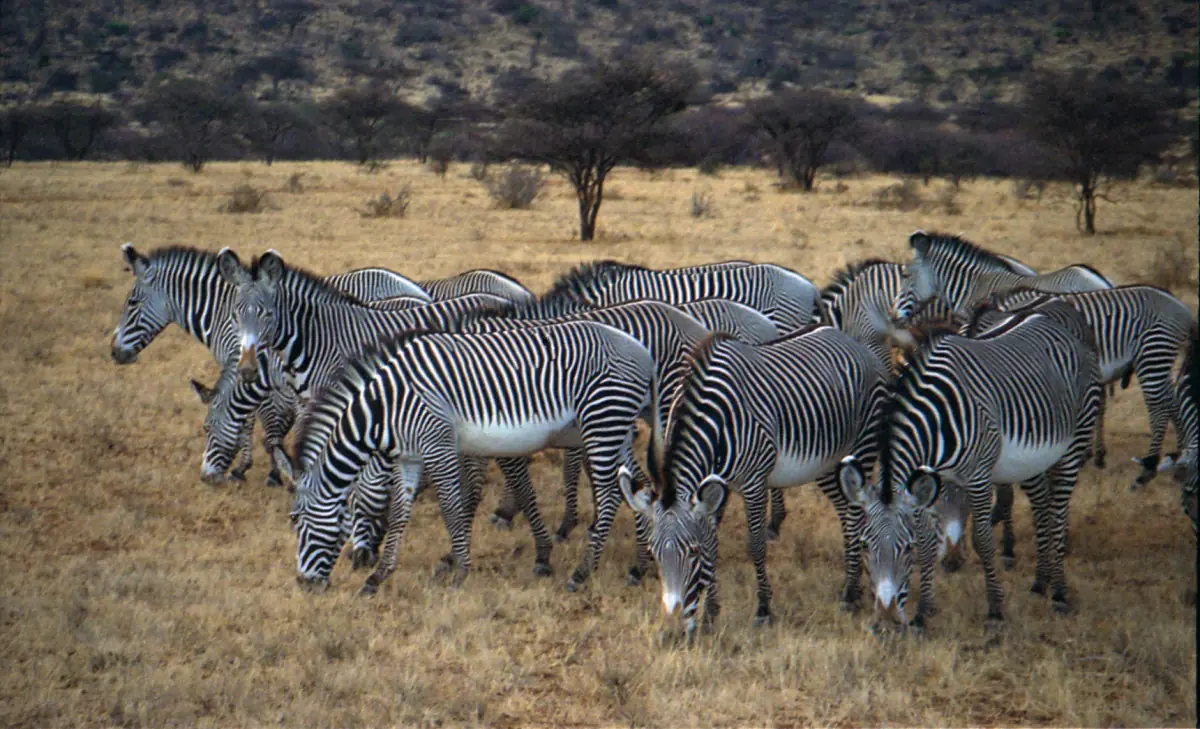
Special Five
Grevy's zebra, reticulated giraffe, gerenuk, beisa oryx and Somali ostrich.
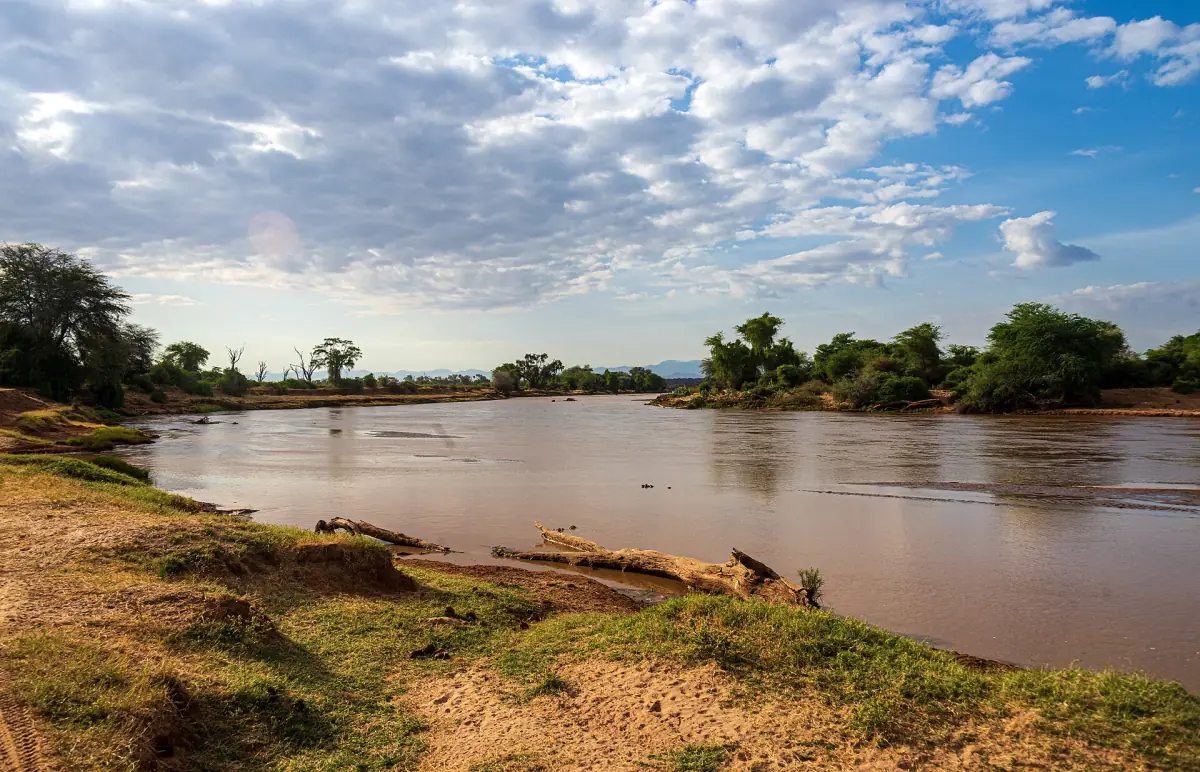
Ewaso Nyiro River
The river that ties the three reserves together.
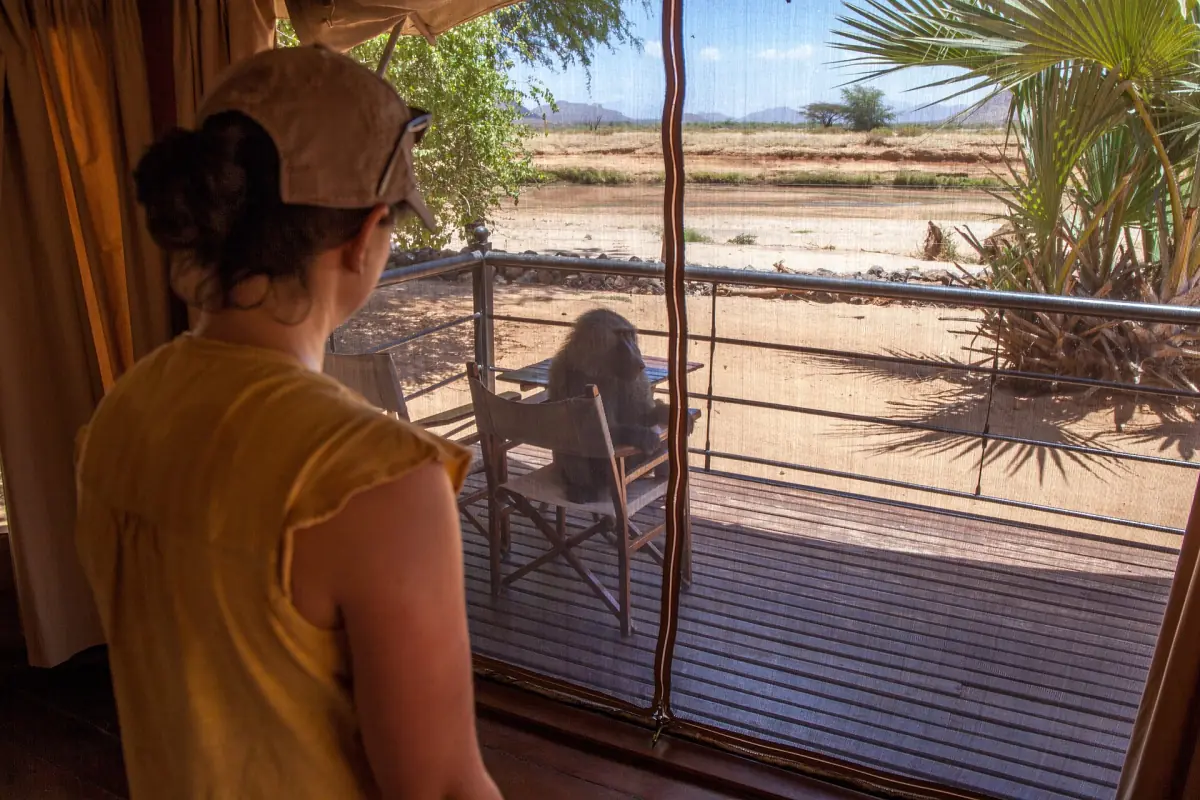
Where to stay
Lodge and camp areas along the river, described by location.
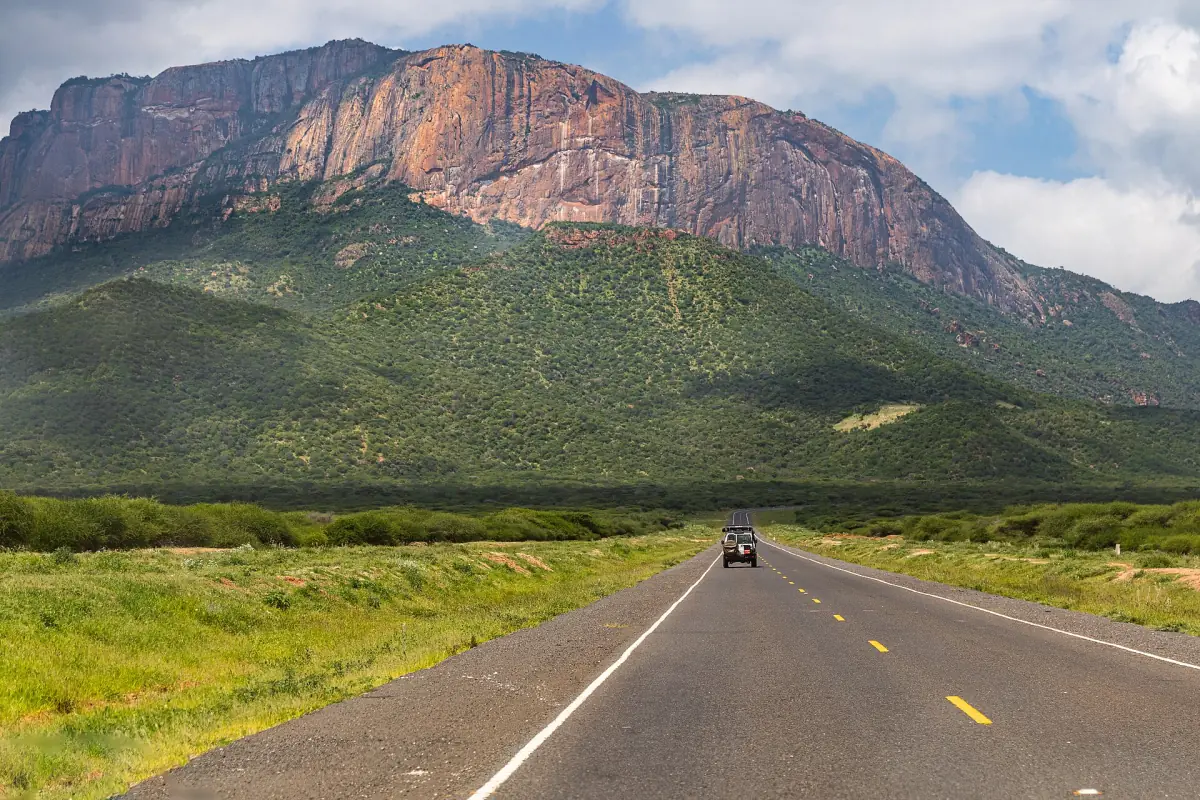
Nairobi to Samburu
Flights and the road via Isiolo.
Buffalo Springs: frequently asked questions
Is Buffalo Springs part of Samburu National Reserve?
No. It is a separate national reserve in Isiolo County on the south bank of the Ewaso Nyiro, with its own management and its own fees. It faces Samburu across the river.
How much does Buffalo Springs cost to enter in 2026?
Non-resident adults are in the range of $70 to $85 and children $40 to $50. Kenyan residents and citizens pay in shillings, around KES 1,600 and KES 800 for adults. Tariffs change, so confirm the amount before you go.
Can I swim in the springs?
Do not plan on it. Whether bathing is allowed can change, and the river nearby holds crocodiles. Ask at the gate before you enter any water.
Which animals can I see at Buffalo Springs?
Elephant, buffalo, leopard and Grevy's zebra live in the reserve, along with a rich birdlife. Good chances are not a guarantee, and sightings vary by day and season.
Is this the official Buffalo Springs website?
No. This is an independent travel guide. It is not connected to Isiolo County, Samburu County, the Kenya Wildlife Service or any safari operator or lodge.